When choosing the right setup for your heating system, radiator valves play a bigger role than many people realise. Whether you're upgrading a period property or refining a modern heating system, understanding the difference between thermostatic radiator valves (TRVs) and manual radiator valves can help you improve comfort, efficiency, and control.
In this guide, we'll break down what each type of valve does, how they differ, and when each is the right choice for your home.
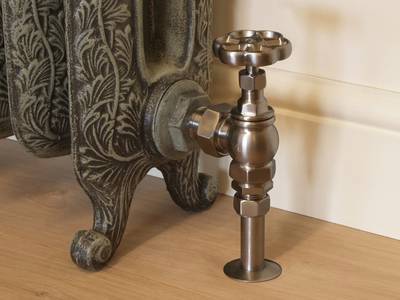
A manual radiator valve is the simplest type of valve used to control a radiator. It works by adjusting the flow of hot water into the radiator, essentially turning the heat up or down by hand.
You'll usually recognise them as a twist-style valve with basic markings (or sometimes none at all).
How it works:
Advantages of Manual Valves:
Disadvantages of Manual Valves:
Shop Daisy Wheel Manual Radiator Valve
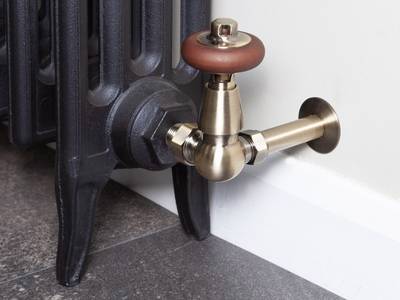
A thermostatic radiator valve automatically regulates the temperature of a room by adjusting the flow of hot water based on the surrounding air temperature.
Instead of just 'on' or 'off', TRVs respond to the room's conditons, maintining a consistent temperature.
How it works:
Advantages of TRVs:
Disadvantages of TRVs:
Shop Kingsgrove Thermostatic Valves
Manual valves are a great option when:
They're particularly popular with cast iron radiators, where aesthetic consistency is key.
If you're designing a traditional space, browsing a full collection of cast iron radiator valves can help you find the right finishing touches.
TRVs are better suited when:
They're ideal for busy households or larger homes where manual adjustment would be impractical.

Choosing between thermostatic and manual radiator valves comes down to your priorities: aesthetic vs efficiency, simplicity vs automation.
For traditional cast iron radiators, manual valves often complement the design beautifully. But if energy efficiency and consistent comfort are your focus, TRVs are a smart upgrade.
In many cases, the best solution isn't one or the other, it's a considered mix of both.
< Back To Blog